

Dr. Sanjay Gupta
Consultant Orthopaedic & Joint Replacement Surgeon
Knee Replacement After 60/70: 7 Important Risks and Benefits
Knee replacement after 60 is a common consideration for people living with severe knee pain, stiffness and reduced mobility. Being over 60 or 70 does not automatically mean that knee replacement is unsuitable. The decision depends on the condition of the knee, symptoms, general health, activity limitations and whether non-surgical treatments have provided enough relief.
If knee pain is making it difficult to walk, climb stairs, sleep comfortably or perform everyday activities, it may be appropriate to discuss knee replacement surgery with an experienced orthopaedic surgeon.
Quick Answer: Is Knee Replacement Safe After 60 or 70?
Knee replacement can be an option for selected patients over 60 or 70 when severe knee arthritis or damage causes persistent pain and disability. Age alone is not the only factor considered. Your surgeon will evaluate your overall health, medications, mobility, bone and joint condition, and the severity of your symptoms before recommending surgery.

Why Is Knee Replacement Considered After 60 or 70?
Osteoarthritis is one of the most common reasons people develop long-term knee pain and stiffness. As cartilage becomes damaged, movement may become painful and everyday activities can become increasingly difficult.
Knee replacement surgery replaces damaged parts of the knee joint with artificial components. It may be considered when pain and movement problems significantly affect quality of life and other treatment options have not provided sufficient relief.
Therefore, the question is not simply whether you are 60, 65, 70 or older. The more important question is whether the condition of your knee and your overall health make surgery an appropriate option for you.
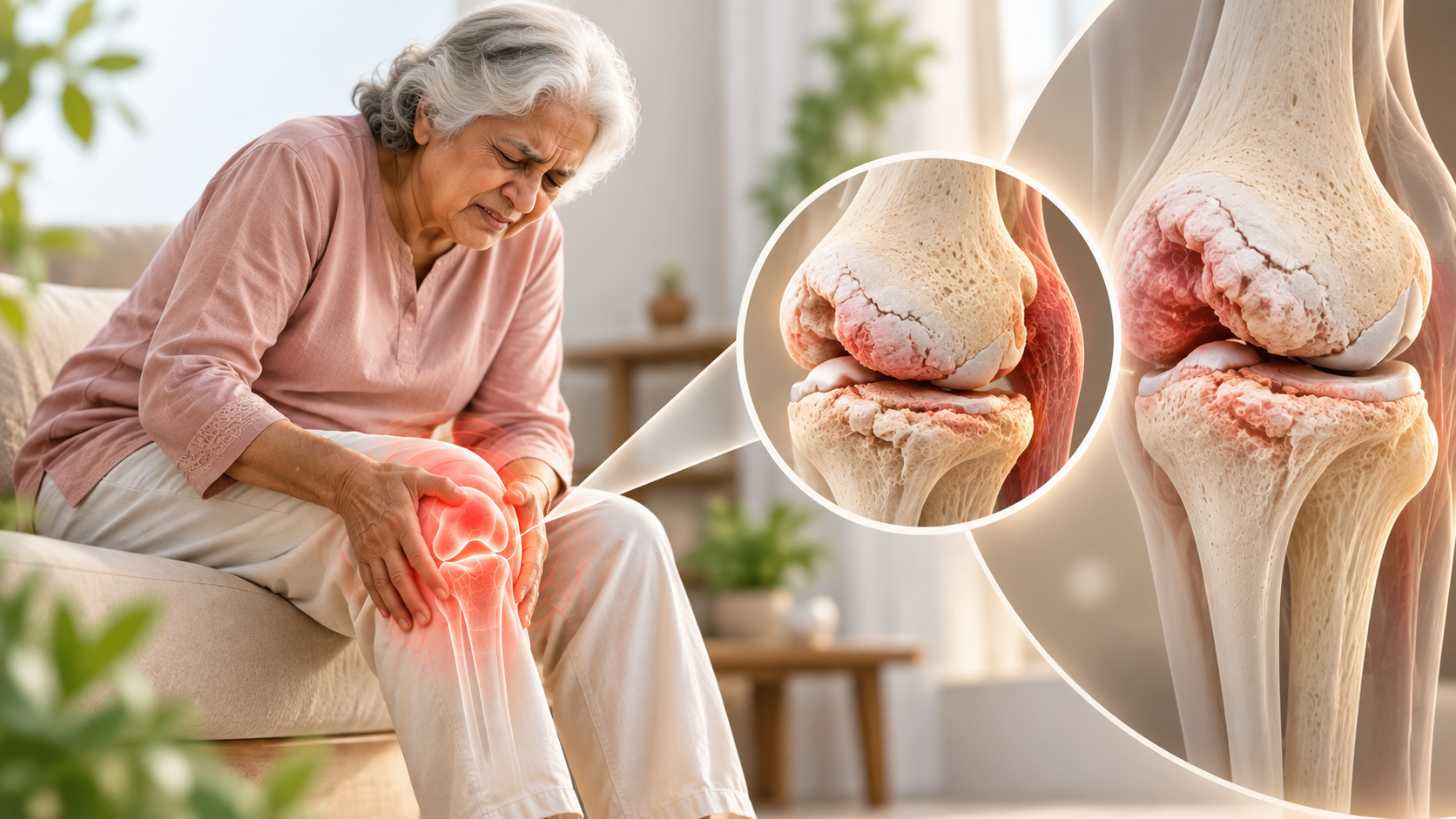
7 Important Risks and Benefits of Knee Replacement After 60/70
1. Potential for Significant Pain Relief
One of the main reasons people undergo knee replacement is persistent knee pain that has not improved sufficiently with non-surgical treatment.
When the damaged surfaces of the knee are replaced, the procedure aims to reduce pain caused by the damaged joint and make everyday movement easier.
2. Improved Mobility and Daily Activities
Severe knee arthritis can make walking, standing, climbing stairs and getting up from a chair increasingly difficult. Successful knee replacement may improve the ability to perform these everyday activities.
The goal is not simply to replace the joint but to help restore useful movement and improve day-to-day function.
3. Better Independence
For some older adults, severe knee pain can gradually lead to dependence on family members for routine activities. Improved mobility after successful knee replacement may help a person become more independent again.
Rehabilitation and strengthening are important parts of achieving this improvement. Recovery should be gradual and based on the patient’s individual progress.
4. Surgical Risks Can Be Higher With Age and Health Conditions
Knee replacement is a major surgical procedure, and complications can occur. The risk can be influenced by age, general health and other medical conditions.
Older patients may also be more likely to have conditions such as heart disease, diabetes, high blood pressure or other health issues that need to be considered before surgery.
This is why a thorough pre-operative assessment is particularly important before knee replacement after 60 or 70.
5. Blood Clots and Infection Are Possible Complications
Knee replacement can be associated with complications such as blood clots, wound infection and problems involving the artificial joint. These complications are not inevitable, but patients should understand them before making a treatment decision.
Early movement, prescribed exercises, appropriate medication and following the surgical team’s instructions can form an important part of reducing complications during recovery.
6. Recovery Requires Time and Rehabilitation
Knee replacement does not provide instant recovery. The knee can remain sore and swollen during the early recovery period, and walking may initially require crutches, a walker or another support.
Physiotherapy and prescribed exercises help restore strength and movement. Recovery can take several months, and the pace varies between individuals.
Older adults may therefore need to plan for assistance at home, transportation and gradual return to normal activities.
7. An Artificial Knee Has Activity Limitations
Knee replacement can improve mobility, but an artificial knee is not identical to a natural knee. High-impact activities such as repetitive jumping or running may place additional stress on the joint.
Your surgeon can recommend activities that are appropriate for your age, health, implant and recovery progress.
Knee Replacement After 60/70: Benefits vs Risks
| Potential Benefits | Potential Risks or Considerations |
|---|---|
| Reduced knee pain | Pain during early recovery |
| Improved mobility | Blood clots |
| Better ability to perform daily activities | Wound or joint infection |
| Greater independence | Stiffness or ongoing discomfort |
| Improved quality of life for suitable patients | Need for rehabilitation and recovery time |
Who May Need Knee Replacement After 60?
Age alone should not determine whether someone needs knee replacement. Surgery may be considered when symptoms are severe enough to interfere significantly with daily life and other treatments have not provided adequate relief.
Signs that it may be time to discuss surgery include:
- Persistent knee pain despite non-surgical treatment
- Difficulty walking or standing for normal activities
- Severe stiffness affecting movement
- Difficulty climbing stairs
- Pain that interferes with sleep
- Increasing dependence on walking support
- Significant limitation of everyday activities
Should You Try Other Treatments Before Knee Replacement?
Knee replacement is generally considered after appropriate non-surgical treatments have been tried and symptoms continue to cause significant problems.
Depending on the individual patient, treatment may include:
- Physiotherapy and strengthening exercises
- Weight management when appropriate
- Activity modification
- Walking aids
- Medicines recommended by your doctor
- Injections in selected cases
The most appropriate treatment depends on the severity of arthritis, symptoms, medical history and previous treatment response.
What Health Checks Are Important Before Knee Replacement?
Before surgery, your orthopaedic and medical teams may assess your general health to identify conditions that could affect surgery or recovery.
This may include reviewing:
- Blood pressure and cardiovascular health
- Blood sugar and diabetes management
- Current medications
- Previous medical and surgical history
- Weight and nutritional status
- Blood tests and other investigations when required
Proper preparation can help your medical team identify and manage factors that may affect your operation and recovery.
What Is Recovery Like After Knee Replacement at 60 or 70?
Recovery generally begins with getting the patient moving safely after surgery. Physiotherapists may help with walking and exercises, and a walking frame or crutches may be required initially.
During the following weeks, the focus usually shifts toward improving knee movement, reducing swelling, strengthening the leg and gradually returning to everyday activities.
The exact recovery timeline varies according to age, general health, fitness, surgical factors and individual healing.
Learn More About Knee Replacement Surgery
If you want to understand the procedure itself, read our detailed guide to
knee replacement surgery
.
Trusted Medical Resources
For additional patient information about knee replacement, recovery and possible complications, these resources from established medical organisations may be helpful:
NHS: What is a knee replacement?
NHS: Complications of a knee replacement
American Academy of Orthopaedic Surgeons: OrthoInfo
These resources provide general educational information. Your treating orthopaedic surgeon should guide decisions about your individual treatment and recovery.
Looking for a Knee Replacement Surgeon in Noida?
If persistent knee pain is affecting your mobility and you are considering treatment, you can learn more about
total knee replacement in Noida, Vaishali and Ghaziabad
.
You can also explore
orthopaedic and joint replacement care
provided by Dr. Sanjay Gupta.
Frequently Asked Questions About Knee Replacement After 60/70
Is knee replacement safe after 60?
Knee replacement can be appropriate for selected patients after 60. Age is only one factor. Your overall health, knee condition, symptoms, medications and ability to undergo rehabilitation should also be considered.
Is knee replacement safe after 70?
Knee replacement may also be considered after 70 when severe knee arthritis causes significant pain and disability. A detailed medical assessment is important because general health and existing medical conditions can influence surgical risk.
What are the main benefits of knee replacement after 60?
Potential benefits include reduced knee pain, improved mobility and better ability to perform everyday activities. The results vary between patients.
What are the risks of knee replacement after 70?
Possible complications include blood clots, infection, stiffness, persistent pain and problems involving the artificial knee. The risk profile depends on the individual’s age, general health and other medical factors.
How long does it take to recover from knee replacement after 60?
Recovery varies between patients. Many people begin walking soon after surgery with support, but full recovery can take several months. Age, general health, strength and rehabilitation can influence the recovery process.
Can an older person avoid knee replacement surgery?
Depending on the severity of the knee condition, some patients may manage symptoms with physiotherapy, exercise, weight management, medication, walking aids or other treatments. Surgery is generally considered when symptoms remain significantly limiting despite appropriate non-surgical care.
Does age alone determine whether I need knee replacement?
No. Age is considered alongside symptoms, knee damage, general health, activity limitations, previous treatments and the patient’s individual goals.
Discuss Knee Replacement With Dr. Sanjay Gupta
If knee pain is limiting your walking, sleep or daily activities, a personalised orthopaedic evaluation can help determine whether continued non-surgical treatment or knee replacement may be appropriate.
📍 3D-5L, Wave City Centre, Sector 32, Noida, Uttar Pradesh
📞 +91 8826318986 | +91 7303804513
📧 sanjaigupta06@gmail.com
Conclusion
Knee replacement after 60 or 70 can be an appropriate treatment for selected patients with severe knee pain and mobility problems. The potential benefits include pain relief and improved function, while possible risks include infection, blood clots, stiffness and other surgical complications.
The decision should not be based on age alone. A thorough assessment of your knee condition, general health, symptoms and previous treatments can help determine whether knee replacement is appropriate for you.

