

Dr. Sanjay Gupta
Orthopaedic & Joint Replacement Surgeon
Hip Replacement Surgery: 7 Important Signs It May Be Necessary
Hip replacement surgery may be considered when persistent hip pain, stiffness and reduced mobility begin to significantly affect everyday life. For many patients, surgery is considered after appropriate non-surgical treatments no longer provide adequate relief.
The decision is not based on age alone. An orthopaedic surgeon considers the severity of symptoms, physical examination, imaging findings, mobility and the effect of the hip condition on your quality of life.
Understanding when hip replacement surgery may be necessary can help patients recognise when it is appropriate to seek a detailed orthopaedic evaluation.
Quick Answer
Hip replacement surgery may be considered when hip pain and stiffness significantly interfere with walking, sleeping or everyday activities, particularly when appropriate non-surgical treatment has not provided sufficient relief. The final decision should be made after an individual assessment by an orthopaedic surgeon.
What Is Hip Replacement Surgery?
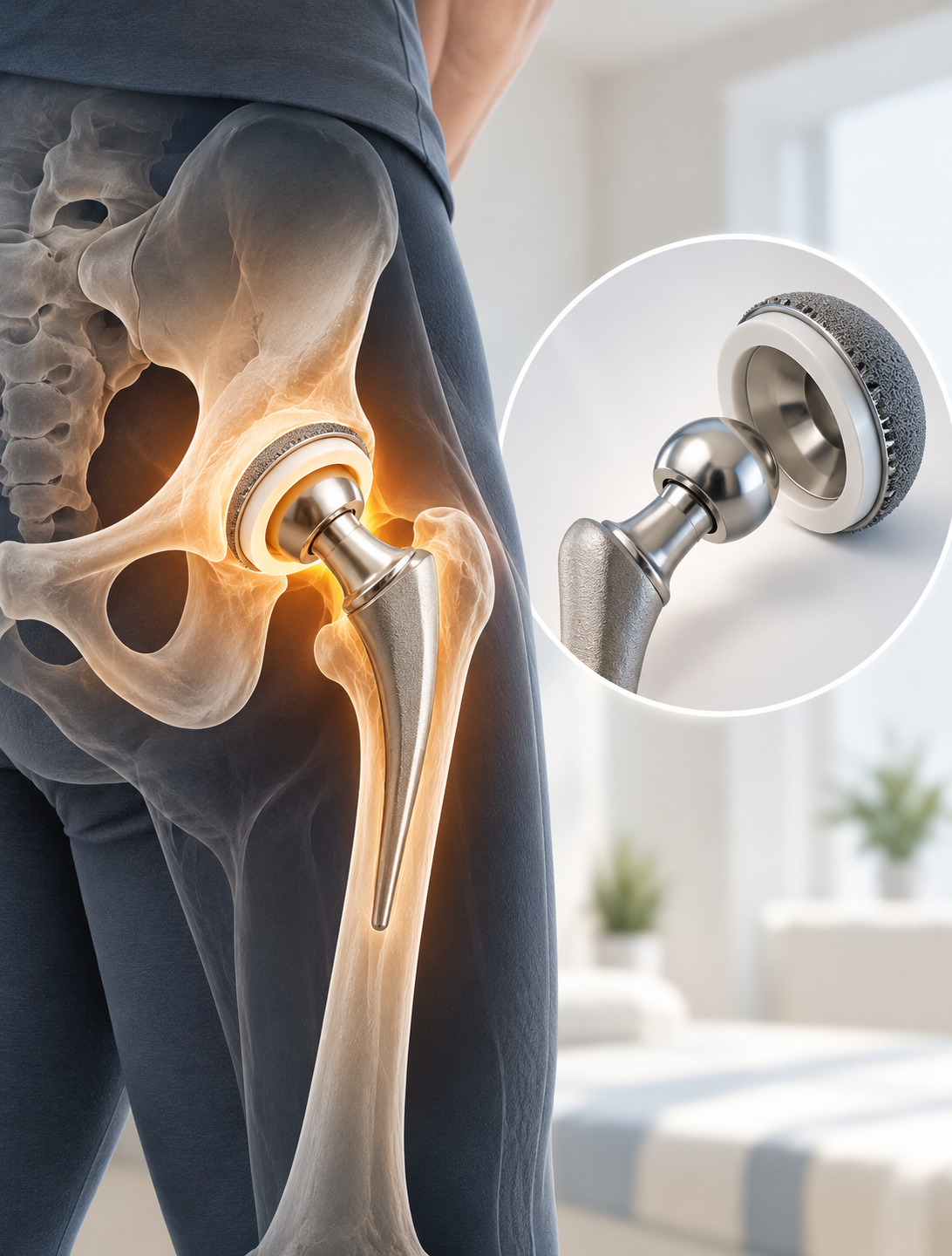
The hip is a ball-and-socket joint formed by the femoral head at the upper end of the thigh bone and the acetabulum, which is the socket in the pelvis.
Smooth cartilage normally covers these surfaces and allows the joint to move with minimal friction. When this cartilage becomes damaged or worn, the bones can rub against each other, resulting in pain, stiffness and restricted movement.
During total hip replacement surgery, the damaged ball and socket are replaced with artificial components. The components may be made from materials such as metal, ceramic and polyethylene, depending on the individual procedure.
Total hip replacement is the most common form of hip replacement surgery.
7 Signs Hip Replacement Surgery May Be Necessary
01. Persistent Hip Pain
Pain continues despite appropriate treatment and begins affecting normal activities.
02. Walking Becomes Difficult
Hip pain or stiffness increasingly limits walking distance and mobility.
03. Daily Activities Are Affected
Routine tasks such as stairs, dressing or getting into a car become difficult.
04. Pain Affects Sleep
Hip pain starts disturbing sleep or continues even while resting.
05. Hip Stiffness Increases
Reduced movement makes normal activities increasingly uncomfortable.
06. Non-Surgical Treatment Is Not Enough
Appropriate conservative treatments no longer provide adequate relief.
07. Significant Joint Damage Is Present
Clinical assessment and imaging show advanced damage to the hip joint.
1. Persistent Hip Pain Despite Treatment
Persistent hip pain is one of the most important factors when considering when hip replacement surgery is necessary.
Hip pain may initially be managed through non-surgical treatments such as activity modification, appropriate medicines, physiotherapy, walking aids and other measures recommended by an orthopaedic specialist.
However, if pain continues despite appropriate treatment and begins interfering with normal activities, a further assessment may be needed.
NHS guidance states that hip replacement may be recommended when hip pain and stiffness have a major effect on life and other treatments have not worked.
2. Walking and Mobility Are Becoming Difficult
Hip arthritis and other forms of joint damage can gradually reduce walking ability.
You may notice that you cannot walk as far as before, need to take frequent breaks or require a walking stick for longer distances.
Stairs may also become difficult, particularly when hip pain is accompanied by stiffness and reduced range of motion.
Difficulty walking and loss of function are important factors considered when evaluating whether hip replacement surgery may be appropriate.
3. Everyday Activities Are No Longer Comfortable
A hip problem can affect much more than walking.
Patients may find it difficult to get in and out of a chair, climb stairs, put on shoes and socks, get into a car or perform other routine movements.
When hip pain begins controlling which activities you can perform during the day, it is important to discuss your symptoms with an orthopaedic specialist.
The Royal Orthopaedic Hospital notes that severe hip pain and loss of function can make normal daily activities difficult or impossible.
4. Hip Pain Is Affecting Sleep or Occurring at Rest
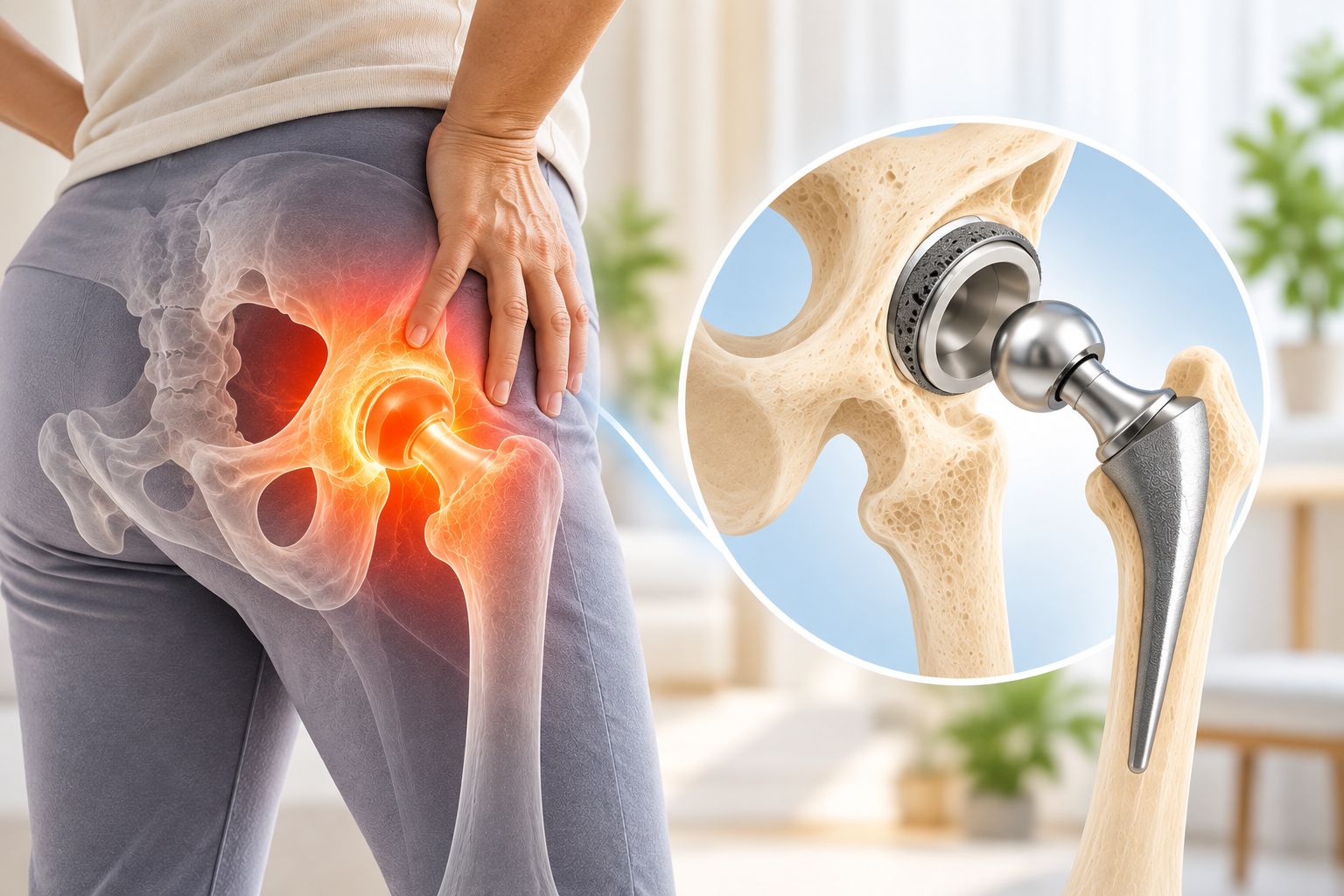
Hip pain that continues at rest or interferes with sleep can be particularly disruptive.
Some patients initially experience pain mainly while walking or performing physical activities. As the underlying joint problem progresses, symptoms may become more persistent.
Pain at rest or at night does not automatically mean that surgery is required, but it is an important symptom to discuss during an orthopaedic evaluation.
5. Hip Stiffness Is Restricting Your Movement
Hip stiffness can make it difficult to bend the hip, rotate the leg or perform movements that were previously easy.
Reduced range of motion may also affect walking, sitting and getting into or out of a vehicle.
When stiffness becomes persistent and is accompanied by significant pain or functional limitations, your surgeon may discuss whether further treatment, including hip replacement surgery, should be considered.
6. Non-Surgical Treatment Is No Longer Providing Enough Relief
Hip replacement is generally not the first treatment for hip arthritis.
Depending on the condition, treatment may include physiotherapy, activity modification, medicines, weight management where appropriate and other non-surgical measures.
When these approaches no longer control symptoms adequately and hip pain continues to interfere with daily life, surgery may become an option.
The Royal National Orthopaedic Hospital similarly describes total hip replacement as something considered after alternative treatments no longer adequately control pain.
The American Academy of Orthopaedic Surgeons’ hip osteoarthritis guidance covers both non-surgical management and total hip arthroplasty for symptomatic hip osteoarthritis.
7. Examination and Imaging Show Significant Hip Joint Damage
X-rays can help an orthopaedic surgeon assess the condition of the hip joint and identify changes associated with arthritis or other joint damage.
However, an X-ray should not be considered in isolation when deciding whether hip replacement surgery is necessary.
Symptoms, physical examination, mobility, functional limitations and overall health are also important.
This means that significant changes on an X-ray do not automatically mean that surgery is required immediately. The clinical picture as a whole needs to be considered.
What Conditions Can Lead to Hip Replacement Surgery?
Several conditions can damage the hip joint enough for replacement surgery to be considered.
- Osteoarthritis
- Rheumatoid arthritis
- Hip damage following an injury or accident
- Some serious hip fractures
- Avascular necrosis
- Other conditions causing significant hip joint damage
Osteoarthritis is the most common reason for hip replacement. Other forms of arthritis and certain injuries can also result in significant pain and loss of function.
When Is Hip Replacement Surgery Necessary Instead of Continuing Treatment?
There is no single symptom or X-ray finding that automatically means a patient needs hip replacement surgery.
Instead, an orthopaedic surgeon considers several factors together:
- Persistent or severe hip pain
- Pain at rest or during sleep
- Difficulty walking
- Reduced hip movement
- Difficulty performing everyday activities
- Significant loss of function
- Limited response to appropriate non-surgical treatment
- Clinical and imaging evidence of significant joint damage
- Overall health and suitability for surgery
When several of these factors are present, an orthopaedic consultation can help determine whether continuing conservative treatment or considering surgery is appropriate.
Does Age Decide When Hip Replacement Surgery Is Needed?
Age alone does not determine whether a patient should undergo hip replacement surgery.
The more important considerations are the severity of symptoms, functional limitations, joint damage, general health and the effect of the condition on quality of life.
The decision should therefore be individualised rather than based on reaching a particular age.
What Happens During Hip Replacement Surgery?
In a total hip replacement, the damaged femoral head is removed and replaced with an artificial ball attached to a stem. The damaged socket is also prepared and replaced with an artificial socket.
The exact surgical approach and implant components depend on factors such as the condition of the hip, the cause of joint damage and the patient’s overall health.
NHS information states that total hip replacement generally involves replacing both the ball and socket with artificial components.
The operation itself commonly takes around 1 to 2 hours, although the exact duration varies according to the individual procedure.
What Are the Goals of Hip Replacement Surgery?
Pain Relief
Reduce pain associated with the damaged hip joint.
Improved Mobility
Help patients move and walk more comfortably after recovery.
Better Function
Make everyday activities easier to perform.
Quality of Life
Reduce limitations caused by persistent hip symptoms.
How Does a Surgeon Decide If Hip Replacement Surgery Is Needed?
The evaluation usually begins with a discussion about your symptoms and how they affect your daily life.
Your surgeon may ask about walking distance, pain during activities, night pain, stiffness, previous treatments and changes in your ability to perform normal activities.
A physical examination can assess hip movement and other aspects of function. Imaging, commonly X-rays, can help identify the extent of joint damage.
The surgeon then considers all of these findings together before discussing the available treatment options.
Learn More About Hip Replacement Surgery
If your symptoms are making you consider surgery, understanding the procedure, preparation and recovery can help you have a more informed discussion with your surgeon.
Hip Replacement Surgery in Noida With Dr. Sanjay Gupta
Dr. Sanjay Gupta is an Orthopaedic & Joint Replacement Surgeon with a clinical practice that includes hip and knee replacement surgery. His official website provides information about hip replacement treatment and consultation options.
If persistent hip pain is affecting your mobility or quality of life, an orthopaedic consultation can help determine whether hip replacement surgery or another treatment option is appropriate.
Related Joint Replacement Services
Hip and knee arthritis can both affect mobility and daily activities. If you are also experiencing significant knee symptoms, you can explore the related knee replacement information below.
Frequently Asked Questions
When is hip replacement surgery necessary?
Hip replacement surgery may be considered when persistent pain, stiffness and loss of function significantly affect daily life and appropriate non-surgical treatments no longer provide adequate relief.
What are the signs you need hip replacement surgery?
Important signs can include persistent hip pain, difficulty walking, increasing stiffness, pain at rest or during sleep, difficulty with everyday activities and inadequate relief from non-surgical treatment.
How bad does hip pain need to be before hip replacement?
There is no single pain score that determines whether surgery is necessary. The decision considers pain together with mobility, function, examination findings and the condition of the hip joint.
Is hip replacement surgery necessary for all hip arthritis?
No. Many patients can initially manage hip arthritis with non-surgical treatment. Surgery may be considered when symptoms remain significant despite appropriate treatment.
Does age determine when hip replacement surgery is needed?
No. Age alone does not determine the need for hip replacement. Symptoms, disability, joint damage and overall health are important considerations.
Can an X-ray tell if I need hip replacement surgery?
X-rays can provide important information about joint damage, but they are considered together with symptoms, physical examination and functional limitations.
What happens if I delay hip replacement surgery?
The effect of delaying surgery depends on the underlying condition and its severity. Your orthopaedic surgeon can discuss the potential benefits and risks of waiting based on your individual condition.
Is total hip replacement the only type of hip replacement?
No. Hip replacement procedures can include total hip replacement and partial or hemiarthroplasty in selected situations. The appropriate procedure depends on the cause of hip damage and the patient’s individual circumstances.
Book an Orthopaedic Consultation
If persistent hip pain is affecting your mobility, sleep or daily activities, an orthopaedic evaluation can help determine the appropriate next step.
📍 3D-5L, Wave City Centre, Sector 32, Noida, Uttar Pradesh
📞 +91 8826318986 | +91 7303804513
📧 sanjaigupta06@gmail.com
Conclusion
Hip replacement surgery is generally considered when hip pain, stiffness and loss of function significantly affect a person’s daily life and appropriate non-surgical treatments no longer provide sufficient relief.
Persistent pain, difficulty walking, night or rest pain, restricted movement and difficulty with everyday activities are important factors to discuss with an orthopaedic surgeon.
The decision should not be based on age or an X-ray alone. A complete clinical evaluation can help determine whether hip replacement surgery is appropriate or whether another treatment option should be considered.

