

Knee Replacement Surgery for Diabetic Patients: Is Robotic Surgery Safe with Diabetes or High Blood Pressure?
Living with diabetes or high blood pressure can make joint surgery feel risky. You may worry about slow healing, infection or problems with anaesthesia. Many patients ask whether knee replacement surgery for diabetic patients is safe, and whether robotic assistance changes the answer.
The answer is encouraging. With good preparation, most people with controlled diabetes and blood pressure can have a knee replacement successfully. This guide explains the sugar and pressure levels surgeons look for, what robotic technology can and cannot do, and how to prepare. It follows the approach of Dr. Sanjay Gupta, an orthopaedic surgeon in Noida whose profile records more than 15,000 joint replacements.
Quick Answer
Is robotic knee replacement safe with diabetes or high blood pressure?
Yes, in most cases, once both conditions are well controlled before surgery. Robotic assistance improves implant planning and alignment, but safety depends mainly on blood sugar control, blood pressure, heart and kidney health, and careful team planning. Your surgeon and anaesthetist decide after tests.
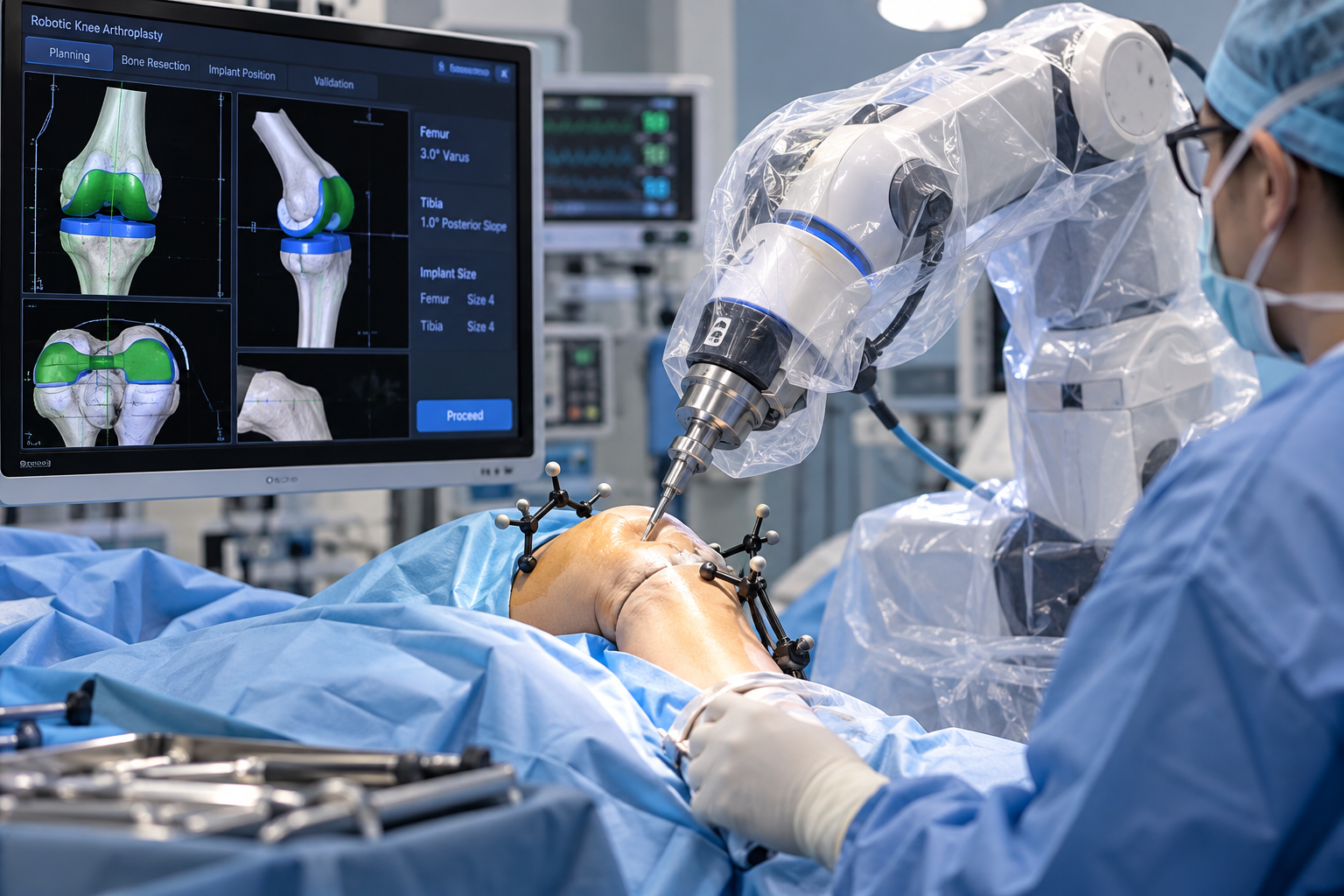
Is Knee Replacement Surgery Safe for Diabetic Patients?
Yes, knee replacement surgery for diabetic patients is generally safe, but diabetes adds risks that need planning. High blood sugar can slow wound healing and weaken the body’s defence against infection. The Arthritis Foundation reports that studies link poorly controlled diabetes with more wound infections, blood clots, stroke, fractures around the implant and implant loosening. Read the Arthritis Foundation summary →
The evidence is not one-sided. A large Kaiser Permanente study found no clear link between diabetes and worse results, but its diabetic patients were generally healthier and better controlled. Two Korean studies found more wound infections in people whose HbA1c was 8% or higher.
The practical lesson is simple. Diabetes does not rule out surgery. Uncontrolled diabetes is the real problem, and it can usually be improved before an elective operation.
What Blood Sugar Level Is Required for Knee Replacement Surgery?
No single number fits everyone, and targets differ between hospitals. Most orthopaedic teams look at your HbA1c (a three-month average), your sugar on the day of surgery and your readings in hospital. The blood sugar level required for knee replacement surgery is therefore a range, not one cut-off.
| Reading | Commonly preferred range | What it means |
|---|---|---|
| HbA1c | Below about 7.5% to 8% | Many surgeons proceed in this range. At 8% or higher, surgery is usually delayed while treatment is adjusted. |
| Sugar on surgery day | Usually below about 180-200 mg/dL | Higher readings are treated first, often with insulin, before the operation starts. |
| Sugar in hospital | Usually kept near 140-180 mg/dL | The team checks often because fasting, stress and anaesthesia can move sugar levels. |
| Frequent highs or lows | Needs review | Unstable readings are corrected before a date is fixed. |
These are commonly used general ranges, not personal advice. If your HbA1c is higher, surgery is usually postponed rather than cancelled. Your physician may adjust tablets or insulin for a few weeks and repeat the test. Waiting is a safety step, not a rejection.
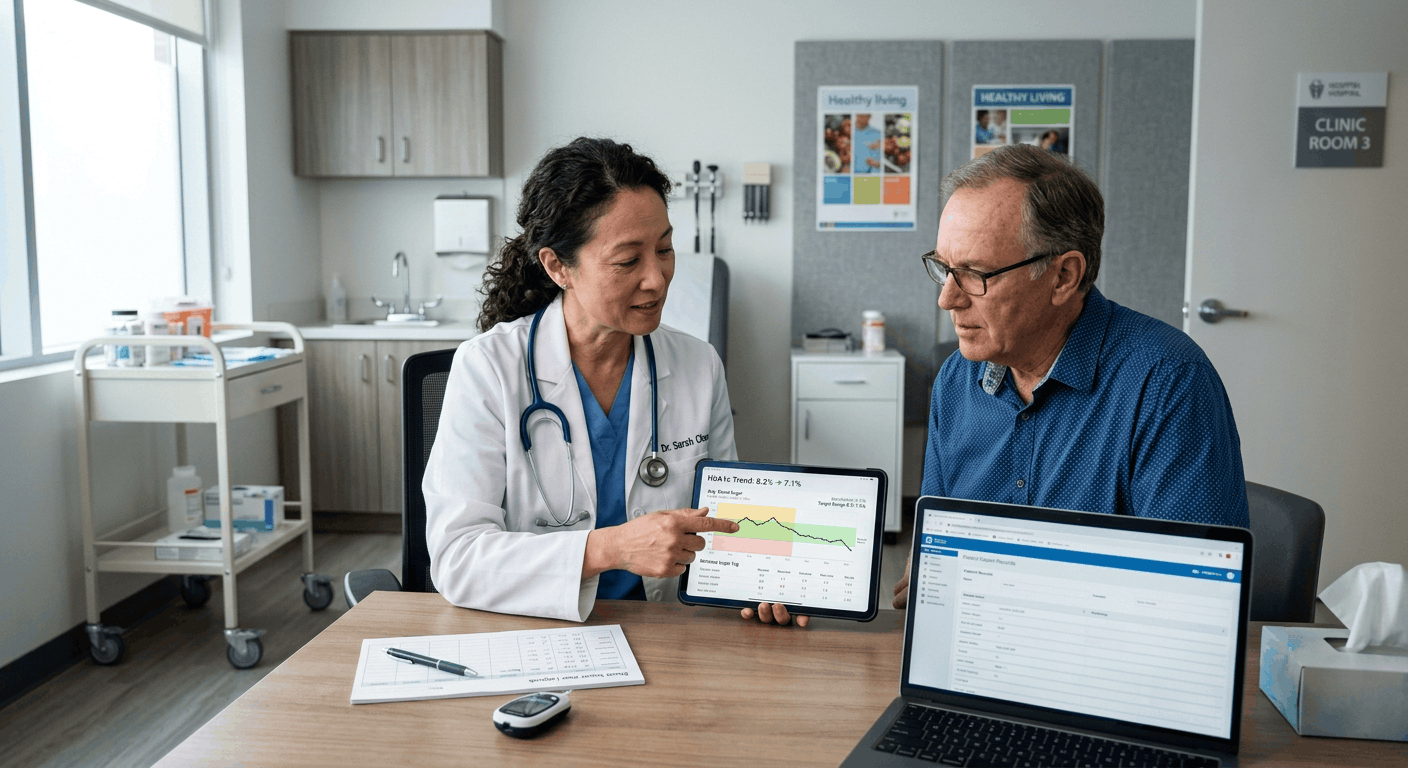
Robotic Knee Surgery with High Blood Pressure: What Matters
High blood pressure is common in patients who need a joint replacement, and it is usually manageable. For robotic knee surgery with high blood pressure, the goal is a steady, treated reading before the operation, not a perfect one. Teams usually focus on these points:
- Target reading: many teams prefer below 140/90 mmHg before surgery.
- Postponement level: readings around 180/110 mmHg or higher usually delay an elective operation until treatment brings them down.
- Medicines: most blood pressure tablets continue, even on the morning of surgery. Some, such as ACE inhibitors or ARBs, may be paused for a day on the anaesthetist’s advice.
- Heart check: an ECG, and sometimes an echocardiogram if you have heart disease or breathlessness.
- Kidney function: a blood test, because diabetes and some tablets can affect the kidneys.
- Anaesthesia: spinal anaesthesia is commonly used, but the choice depends on your overall health.
Keep a home blood pressure diary for one to two weeks before your consultation. It is more reliable than one clinic reading, which can run high because of anxiety.
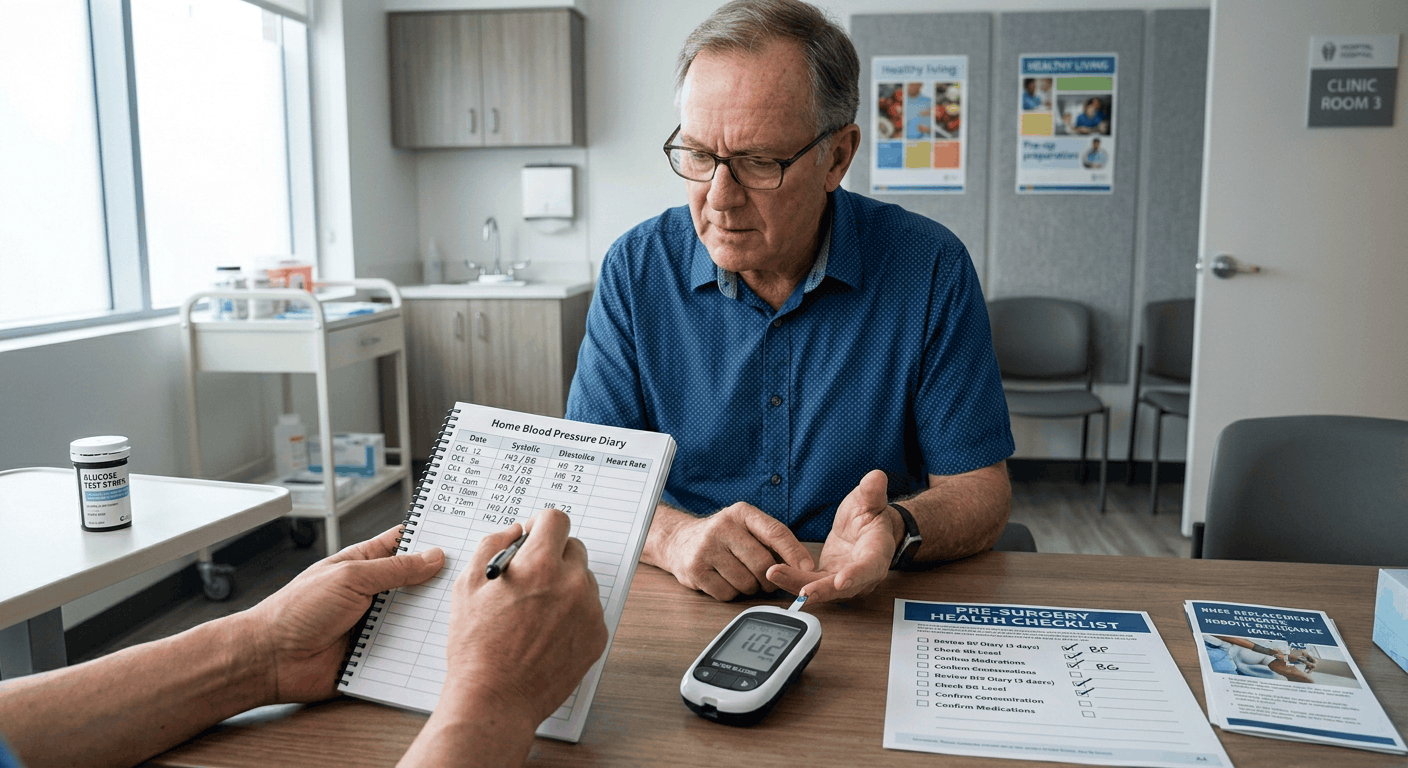
Does Robotic Assistance Make Knee Replacement Safer for Diabetics?
Robotic assistance is a planning and precision tool. Scans help the surgeon plan bone cuts and implant position, and the system helps keep the cuts within that plan. This can support accurate alignment, which matters for long-term function.
It does not control your sugar or blood pressure. Some websites claim robotic surgery lowers infection risk in diabetic patients. Reliable evidence for that specific claim is limited, so read such claims with caution. Infection risk depends mostly on sugar control, sterile technique, antibiotics, wound care and general health.
| Factor | Role of robotic assistance | Role of preparation and care |
|---|---|---|
| Implant alignment | Supports planning and precision | Surgeon’s skill and judgement |
| Wound healing | No direct effect shown | Sugar control, nutrition, wound care |
| Infection risk | No proven reduction in diabetics | Antibiotics, sterile theatre, sugar control |
| Anaesthesia safety | None | Blood pressure control, heart and kidney checks |
| Recovery | Varies by case | Physiotherapy, early walking, follow-up |
Whether a robotic or conventional technique suits you is a clinical decision. Your surgeon assesses your knee, your medical conditions and your goals before recommending an approach. You can read about the procedure itself on our knee replacement surgery page.

How to Prepare: A Checklist for Diabetic and Hypertensive Patients
- Get a recent HbA1c and kidney function test, and share the results with your surgeon.
- Keep a sugar and blood pressure diary for one to two weeks.
- Review every medicine with your physician and anaesthetist. SGLT2 inhibitors are usually stopped a few days before surgery. Never stop or change doses yourself.
- Treat infections first, including dental problems, urinary infections, foot ulcers and skin infections.
- Stop smoking and limit alcohol, as advised.
- Eat balanced, protein-rich meals to support healing.
- Arrange home help, a walker and a raised toilet seat.
- Carry a written list of your medicines and doses to hospital.
What Happens in Hospital and During Recovery?
Diabetic patients are often scheduled early in the day to shorten fasting. Your sugar is checked before surgery and repeatedly afterwards, and insulin may be given to keep it steady. Antibiotics are given around the time of surgery, and your blood pressure and heart rhythm are monitored throughout. The operation itself commonly takes one to two hours.
Afterwards, the team starts blood-clot prevention, pain control and early walking with a physiotherapist. At home, keep checking your sugar as advised, keep the wound clean and dry, and check your feet daily. Recovery can take longer if sugar runs high, so steady control protects your result. The NHS recovery guide explains the general timeline.
Call your surgeon promptly if you notice:
- Fever, or redness, swelling or discharge at the wound
- Pain or swelling in the calf
- Sugar readings that stay high despite your usual treatment
- Chest pain or breathlessness (seek emergency care)
Do the Same Rules Apply to ACL, Meniscus and Shoulder Surgery?
Yes. Sugar and blood pressure control matter for any elective orthopaedic procedure. Younger or active patients with diabetes may need keyhole surgery such as ACL reconstruction or meniscal repair rather than a replacement, and shoulder instability may need a Bankart repair. Wounds are smaller, but healing still depends on steady sugar control. Replacement is not the only option, so the right procedure depends on your diagnosis.
Choosing a Surgeon for Knee Replacement with Diabetes or Hypertension
Look for a surgeon who works closely with your physician, anaesthetist and diabetologist, and who explains risks honestly instead of promising a risk-free result. Dr. Sanjay Gupta orthopedic surgeon training includes MCh Orthopaedics from Liverpool, UK, and FRCS, with about 25 years of practice. Patients come from Noida, Ghaziabad and across Delhi NCR.
You can learn more on the page about the best knee surgeon in Noida, Delhi NCR and Ghaziabad, or see the page for the best orthopaedic doctor in Indirapuram if that is closer to you. Consultations take place at SG Clinic in Wave City Centre, Sector 32, Noida, where you can consult Dr. Sanjay Gupta orthopedic surgeon in person. More about his work is on the Dr Sanjay Gupta website.
Conclusion
Knee replacement surgery for diabetic patients is a safe, well-established option when blood sugar and blood pressure are controlled first. Robotic technology can add precision, but it is your preparation, your medical checks and your surgical team that protect you most. Do not delay a consultation out of fear; an honest assessment will show whether you are ready now or need a few weeks of optimisation. To discuss your case, visit the contact page and book a consultation.
This article is for general information and is not a substitute for personal medical advice.
Frequently Asked Questions
Can a diabetic person have knee replacement surgery?
Yes, most people with diabetes can have knee replacement surgery safely when their blood sugar is well controlled. Your surgeon and physician will check your HbA1c, kidney function and heart health first. If control is poor, surgery is usually delayed while treatment is adjusted.
Can uncontrolled diabetes cancel a knee replacement?
Uncontrolled diabetes can postpone the operation, but it does not permanently rule it out. High sugar raises the risk of infection and slow healing, so surgeons prefer to improve control first. Once your readings settle, the surgery is usually rescheduled.
Can I have robotic knee replacement if my blood pressure is high?
Yes, if your blood pressure is controlled on treatment. Readings around 180/110 mmHg or higher usually lead to postponement of elective surgery. Take your regular tablets as advised and bring a home blood pressure diary to the consultation.
Does diabetes slow healing after knee replacement?
It can, mainly when blood sugar stays high. Raised sugar affects wound healing and the body’s defence against infection. Steady sugar control, good nutrition, careful wound care and regular follow-up help the wound heal at a normal pace.
Should I take my diabetes medicines before knee surgery?
Do not stop or change any medicine on your own. Some tablets, such as SGLT2 inhibitors, are usually stopped a few days before surgery, and insulin doses are often adjusted. Your physician and anaesthetist will give you a written plan.
Is robotic knee replacement better than conventional for diabetic patients?
Not proven. Robotic assistance supports precise planning and alignment, but there is limited evidence that it lowers infection or complications specifically in diabetic patients. Preparation and control of your health conditions matter more than the technique.
SG Clinic – Noida
📍 3D-5L, Wave City Centre, Sector 32, Noida – 201301

