

When Do You Really Need a Knee or Hip Replacement?
Joint pain—especially in the knee and hip—can slowly affect mobility, confidence, and overall quality of life. Many people try to manage the pain for years, unsure whether they actually need surgery or if non-surgical treatment is  still enough.
This blog helps you understand the right time to consider knee or hip replacement, common signs, diagnostic steps, and what to expect before making a decision.
What Is Knee or Hip Replacement?
Knee and hip replacement surgeries (also called joint replacement surgeries) involve replacing damaged joint surfaces with artificial implants. These modern implants are designed to restore mobility, reduce pain, and help you return to day-to-day activities with ease.
Signs That Indicate You Might Need a Knee or Hip Replacement
Below are the most reliable medical and lifestyle-based indicators that patients commonly experience before being advised surgery:
1. Severe Pain That Affects Daily Life
If knee or hip pain makes routine activities difficult—like walking, climbing stairs, standing, or getting out of bed—this is often the earliest warning sign.
Common symptoms include:
- Pain even during rest
- Pain that increases at night
- Difficulty bending or straightening the joint
- Pain that disrupts sleep
2. Limited Mobility or Stiffness
If movement becomes restricted despite physiotherapy or medication, joint degeneration may be advanced. People often describe:
- “I can’t sit on the floor anymore.”
- “My leg doesn’t bend fully.”
- “My walking range has reduced.”
This often indicates damaged cartilage or bone-on-bone friction.
3. Chronic Swelling and Inflammation
Persistent swelling that doesn’t improve with ice, medicines, or rest may signal severe joint deterioration. Chronic inflammation gradually increases damage and impacts mobility.
4. Non-Surgical Treatments Are No Longer Effective
You may have already tried:
- Physiotherapy
- Pain medications
- Joint injections
- Lifestyle changes
- Supportive braces
If these options no longer reduce pain, a replacement becomes the next logical step.
5. Visible Joint Deformity
Bow-leg or knock-knee appearance, hip rotation issues, or leg-length differences can occur due to advanced arthritis. These structural changes are often best corrected with surgical intervention.
6. X-Rays Show Advanced Osteoarthritis
Orthopaedic specialists rely on imaging to evaluate the joint condition. Common findings that may require surgery include:
- Joint-space narrowing
- Bone spurs
- Bone-on-bone contact
- Severe cartilage loss
If your radiology report reflects any of these, surgery may be recommended. 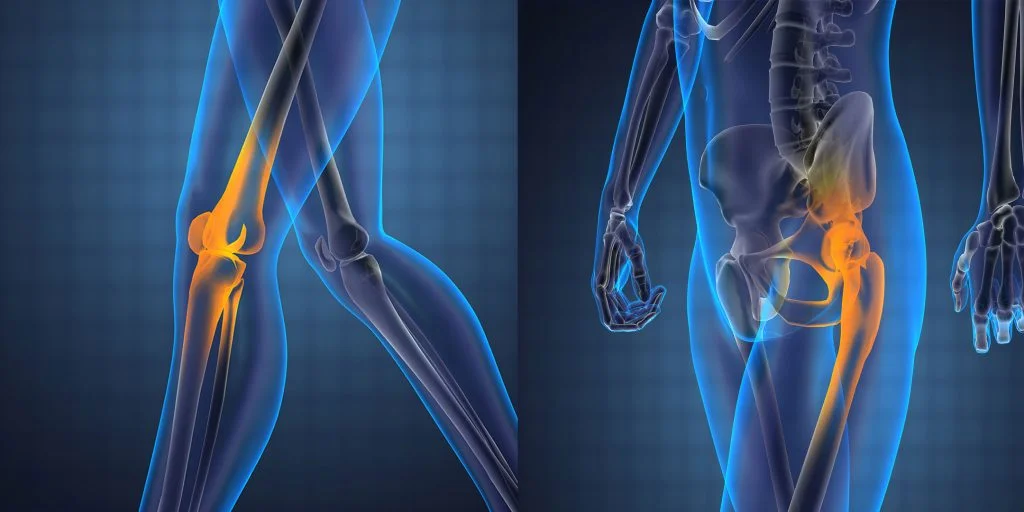
Conditions That Commonly Lead to Joint Replacement
- Osteoarthritis (most common cause)
- Rheumatoid arthritis
- Post-traumatic arthritis
- Avascular necrosis
- Joint deformities or congenital conditions
- Severe injury or fractures
When You Should NOT Delay Replacement
Delaying surgery too long can worsen the condition and may:
- Reduce surgical success
- Increase pain and deformity
- Shorten mobility span
- Lower overall quality of life
- Increase fall risk
Patients often wish they had not “waited too long.”
Benefits of Early Knee or Hip Replacement
Choosing the right time can dramatically improve outcomes:
- Relief from long-term pain
- Improvement in mobility
- Ability to walk without support
- Better sleep and daily activity
- Improved mental well-being
- Long-lasting results with advanced implants
Modern techniques (including minimally invasive surgery) allow faster recovery, less pain, and shorter hospital stays.
How Dr. Sanjay Gupta Helps You Decide the Right Time
Dr. Sanjay Gupta evaluates each patient through:
- Detailed physical examination
- X-ray or MRI evaluation


- Pain and mobility scoring
- Review of lifestyle needs
- Assessment of previous treatments
- Personalized recovery planning
Every recommendation is tailored to ensure that patients choose the safest and most effective option—surgical or non-surgical.
Final Thoughts
You really need a knee or hip replacement when pain, stiffness, and limited movement start affecting your everyday life—despite all non-surgical treatments. Early evaluation by an orthopaedic specialist ensures the best long-term outcome and helps you regain an active, pain-free life.
Locations & Contact Details:
- Corporate Office Address1: 3D-5L, Wave City Centre, Sec 32 Noida 201301
- Corporate Office Address2: Ug 9 Amrapali Green1/3 Vaibhav Khand Indirapuram
- Phone: +91 882 631 8986/+91 730 380 4513
- Landline No: +91 120 719 7788
- Time : Mon to Sat
(Except Thursday) 6pm – 8pm - Email : sanjaigupta06@gmail.com
- Visit: https://drsanjaygupta.info/

