

Rotator Cuff Repair: Procedure, Recovery & When You Really Need It
The shoulder is one of the most flexible joints in the body—and also one of the most vulnerable. When the tendons of the rotator cuff get torn due to injury, degeneration, or repetitive strain, daily tasks like lifting, reaching, or even sleeping become painful. Rotator cuff repair is a specialized surgical procedure that restores strength, stability, and mobility to the shoulder.
This comprehensive guide explains the causes, symptoms, treatment options, surgical techniques, and recovery process for rotator cuff repair.
What Is a Rotator Cuff?
The rotator cuff is made up of four key muscles and their tendons that work together to keep the shoulder joint stable and moving smoothly.These tendons help you lift, rotate, and move your arm freely.
When one or more of these tendons tear, they may detach from the bone, causing pain, weakness, and restricted movement. Severe tears often require rotator cuff repair surgery.
When Do You Need Rotator Cuff Repair?
Surgery is recommended when:
- Pain remains despite medication, physiotherapy, or injections
- The tear is large or complete
- Shoulder weakness affects quality of life
- You experience sudden traumatic tear
- Active individuals, athletes, or workers need full shoulder function
Early treatment increases the success rate and prevents further damage.
Why Do Rotator Cuff Tears Happen?
Common Causes
- Age-related wear and tear
- Repetitive overhead activities (sports, gym, painting, carpentry)
- Sudden injury or fall
- Poor shoulder posture
- Degenerative tendon changes
Symptoms You Should Not Ignore
- Persistent shoulder pain, especially at night
- Weakness while lifting or rotating the arm
- Limited range of motion
- Clicking or catching sensation
- Difficulty performing daily tasks
If these symptoms last more than a few weeks, an orthopedic assessment is essential.
Types of Rotator Cuff Repair Techniques
1. Arthroscopic Repair
A low-invasion technique performed through tiny cuts with the help of a specialized camera.
Benefits:
- Less pain
- Faster recovery
- Smaller scars
- Lower infection risk
2. Mini-Open Repair
Combines arthroscopy with a small open incision to repair larger tears.
3. Open Surgery
Used for massive or complex tears where the tendon needs more extensive reconstruction.
How Is Rotator Cuff Repair Performed?
During the procedure:
- Damaged tissues are removed.
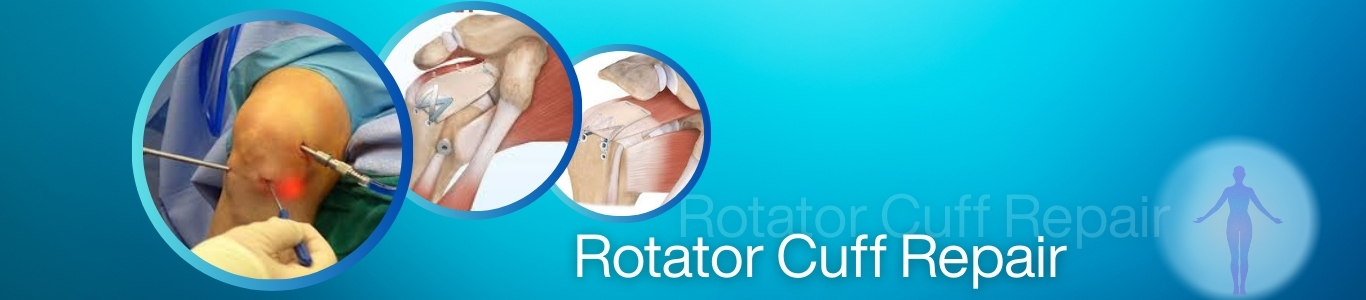
- Tendons are reattached to the bone using anchors or sutures.
- Surrounding structures are smoothed to reduce friction.
- Stability of the shoulder is restored.
The surgery typically lasts 1–2 hours depending on tear size.
Recovery After Rotator Cuff Repair
Healing takes time because tendons reattach slowly to bone. A typical recovery timeline:
Week 1–4: Protection Phase
- Arm is kept in a sling
- Gentle passive movements
- Pain and swelling control
Week 4–12: Mobility Phase
- Physiotherapy to restore range of motion
- Gradual stretching exercises
Month 3–6: Strengthening Phase
- Strength training begins
- Return to normal work activities
Month 6–12: Full Recovery
- Resuming sports, gym training, and heavy lifting
Committed physiotherapy is essential for best results.
Benefits of Rotator Cuff Repair
- Restores shoulder strength
- Reduces pain significantly
- Improves range of motion
- Prevents further tendon degeneration
- Enhances quality of life
- Supports athletes and active individuals in returning to performance
Non-Surgical Alternatives
Not all tears require surgery. Mild cases may improve with:
- Physiotherapy
- Anti-inflammatory medications
- PRP injections
- Activity modification
- Heat & cold therapy
If these fail to help, surgery becomes the best option.
Tips to Prevent Rotator Cuff Injuries
- Regular shoulder-strengthening exercises
- Avoid repetitive overhead strain
- Maintain good posture
- Warm up before sports
- Take breaks during heavy lifting or work tasks
Final Thoughts
Rotator cuff repair is a highly effective treatment that allows patients to regain function, eliminate pain, and return to an active lifestyle. Whether caused by injury or wear-and-tear, timely diagnosis and proper treatment ensure the best long-term outcomes.
If persistent shoulder pain is affecting your daily life, consult an orthopedic specialist to determine the right treatment plan for you.

