

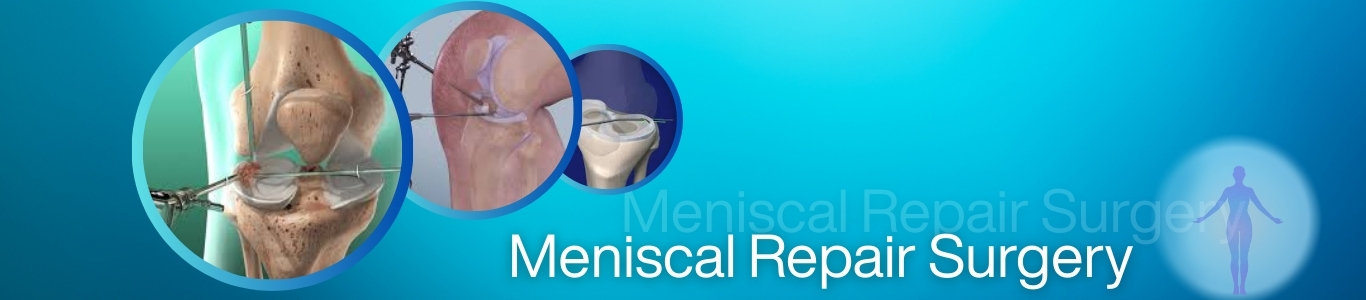
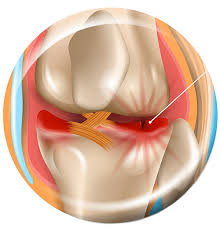
The knee is one of the most important joints in our body, enabling movement, stability, and balance. Among its key structures, the meniscus plays a vital role in shock absorption, load distribution, and joint protection. When a meniscus injury occurs, it can lead to pain, swelling, and limited mobility. Meniscal repair surgery is a proven solution to restore knee function and prevent long-term joint damage.
What is Meniscal Repair Surgery?
Meniscal repair surgery is a minimally invasive procedure performed to repair tears in the meniscus, a C-shaped cartilage that cushions the knee. Unlike meniscectomy, which involves removal of the damaged part, meniscal repair preserves the natural structure of the knee, promoting better long-term outcomes.
Dr. Sanjay Gupta, a renowned orthopedic surgeon and knee specialist, performs meniscal repair using advanced arthroscopic techniques, ensuring precision, minimal pain, and faster recovery.
Signs You May Need Meniscal Repair
Meniscus injuries often result from sports activities, sudden twists, or degenerative changes. Common signs include:
- Sharp pain in the knee, especially when twisting or rotating
- Swelling or stiffness around the joint
- Difficulty in fully bending or straightening the knee
- A feeling of the knee locking or giving way
If left untreated, meniscal tears can worsen, leading to cartilage degeneration and early arthritis.
Types of Meniscal Tears Treated
Dr. Sanjay Gupta addresses various meniscal injuries, including:
- Longitudinal tears – Common in younger patients due to trauma
- Radial tears – Can affect knee stability if not repaired
- Complex tears – Often degenerative, requiring expert intervention
- Bucket-handle tears – Severe displacement needing surgical correction
Each type of tear requires a tailored approach, ensuring optimal results.
The Meniscal Repair Procedure
Meniscal repair is typically performed arthroscopically, using small incisions and a camera-guided technique. The procedure involves:
- Assessment – Dr. Gupta evaluates the tear’s size, location, and type
- Repair – Using specialized sutures or anchors, the torn meniscus is stitched back together
- Closure – Minimal incisions are closed, reducing scarring and infection risk
The surgery is usually outpatient, allowing patients to return home the same day.
Recovery and Rehabilitation
Post-surgery, recovery focuses on restoring knee function while allowing the meniscus to heal. Key aspects include:
- Initial protection – Using a brace or crutches for 4–6 weeks
- Physical therapy – Strengthening muscles and improving mobility
- Gradual return to activity – Low-impact exercises initially, followed by full sports participation after 3–6 months
Dr. Sanjay Gupta customizes rehabilitation plans to ensure safe and effective recovery.
Why Choose Dr. Sanjay Gupta for Meniscal Repair?
Dr. Gupta is a leading orthopedic surgeon specializing in knee injuries and joint preservation. Patients choose him for:
- Advanced arthroscopic techniques for minimally invasive surgery
- Personalized treatment plans for every patient
- Decades of experience in managing sports injuries, degenerative tears, and complex meniscal injuries
- Focus on long-term knee health and mobility
Preventing Meniscus Injuries
While not all injuries can be prevented, some strategies include:
- Warming up before sports or exercise
- Strengthening leg muscles to support the knee
- Avoiding sudden twists or heavy impacts on the knee
- Maintaining a healthy weight to reduce joint stress

