

ACL Injuries and Arthroscopy in Sports: Why They Happen, How to Prevent Them & Recover Well
Sports activities are great for fitness and overall well-being, but they also come with the risk of injuries—especially to the knee, shoulder, and ankle. Among these, ACL (Anterior Cruciate Ligament) tears are one of the most common and serious sports-related conditions. Fortunately, with modern medical technology like arthroscopic surgery, recovery has become faster and more predictable than ever.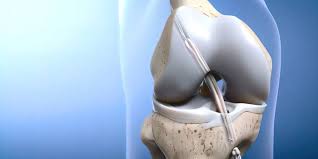
In this blog, you’ll understand the causes, prevention, and rehabilitation of sports injuries, with a special focus on ACL problems and arthroscopy.
What Are Sports Injuries?
Sports injuries occur when a muscle, ligament, tendon, or joint gets damaged due to excessive force, sudden movement, or repeated stress. They can affect both professional athletes and people who play sports casually.
Common types of sports injuries include:
- ACL tears
- Meniscus injuries
- Shoulder instability

- Muscle strains
- Ligament sprains
- Ankle injuries
- Cartilage damage

Causes of Sports Injuries
Understanding the root causes helps in preventing and managing them effectively.
1. Sudden Twisting or Impact
Rapid direction changes, incorrect landings, and collisions during games can lead to ligament tears—especially ACL injuries.
2. Overuse or Repeated Strain
Continuous stress on muscles and joints without proper rest can cause tendinitis, stress fractures, and chronic pain.
3. Poor Technique or Form
Incorrect posture, weak muscle control, and improper movements increase the risk of injury while running, jumping, or lifting.
4. Weak Muscles or Imbalance
Lack of strength in key muscle groups (especially thighs, hamstrings, core) makes joints more vulnerable to injuries.
5. Inadequate Warm-Up
Starting intense activity without stretching or warming up reduces flexibility and leads to sudden strains.
6. Inappropriate Footwear or Gear
Poor-quality shoes or outdated equipment can negatively impact joint stability.
Understanding ACL (Anterior Cruciate Ligament) Injuries
The ACL is one of the major ligaments that stabilizes your knee. It prevents the shinbone from shifting beyond its limit and helps you perform quick movements safely.
How ACL Injuries Occur
ACL tears commonly happen during:
- Sudden stops
- Quick pivots
- High jumps and awkward landings
- Direct impact to the knee
- Football, basketball, cricket, kabaddi, and running activities
Symptoms of an ACL injury include:
- A loud “pop” sound
- Immediate swelling
- Inability to put weight on the leg
- Feeling of the knee “giving way”
- Severe pain during movement
What Is Arthroscopy?
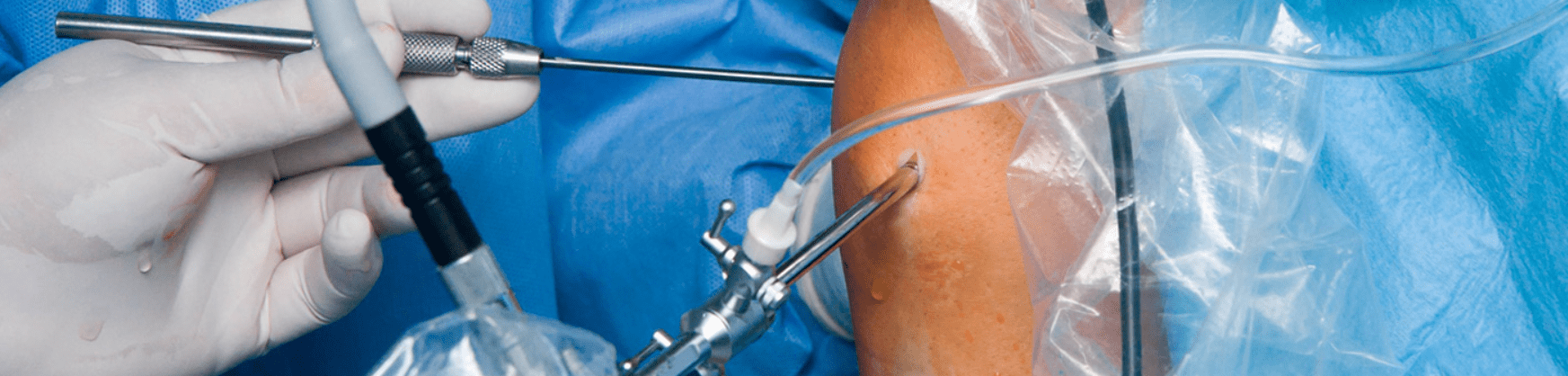
Arthroscopy is a minimally invasive surgical procedure where a tiny camera (arthroscope) is inserted into the joint through small incisions. It helps the surgeon clearly view and address joint issues with high accuracy.
Benefits of Arthroscopy
- Smaller incisions
- Minimal scarring
- Less post-operative pain
- Faster healing
- Early return to sports/activities
- High accuracy in diagnosis and repair
Arthroscopy is commonly used for ACL reconstruction, meniscus repair, cartilage treatment, and shoulder injuries.
Preventing Sports Injuries
You can significantly reduce injury risk by following these preventive measures:
1. Always Warm Up Properly
A 10–15 minute warm-up improves blood flow, enhances flexibility, and prepares muscles for activity.
2. Strengthen Key Muscle Groups
Focus on quadriceps, hamstrings, glutes, calves, and core muscles to support joints effectively.
3. Practice Correct Technique
Training under proper supervision helps maintain posture and body control.
4. Use Quality Footwear & Gear
Shoes with good grip and stability support reduce stress on joints.
5. Avoid Overtraining
Include rest days to allow your body to repair and strengthen naturally.
6. Maintain Healthy Body Weight
Excessive weight increases pressure on knees, hips, and ankles.
Rehabilitation & Recovery After ACL or Arthroscopic Treatment
Proper rehab is key to restoring mobility, strength, and function after an injury or surgery.
1. Early-Stage Recovery (0–2 Weeks)
- Ice therapy to reduce swelling
- Gentle movements under guidance
- Pain management
- Use of crutches (if required)
2. Strengthening Phase (2–6 Weeks)
- Controlled weight-bearing
- Muscle strengthening exercises
- Improving knee or joint flexibility
3. Advanced Rehab (6–12 Weeks)
- Balance and stability exercises
- Light jogging (as advised by doctor)
- Strength-building routines
4. Return to Sports (3–6 Months)
- Sport-specific drills
- Agility training
- High-impact movements
- Final clearance by the orthopaedic surgeon
Full recovery may vary from 4 to 9 months, depending on the injury and patient compliance.
When to See Dr. Sanjay Gupta
You should seek expert evaluation if you experience:
- Persistent knee or shoulder pain
- Swelling that doesn’t go away
- Difficulty walking or bending
- Clicking, locking, or instability
- Sudden injury during sports
Early diagnosis and timely treatment can prevent long-term complications and help you return to normal activities faster.
Final Thoughts
Sports injuries are common but manageable when treated correctly. Whether it’s an ACL tear or joint damage requiring arthroscopy, advanced orthopaedic care can ensure faster healing and a stronger comeback.
With modern techniques and personalized rehab programs, patients can safely resume their sports and daily routine under expert guidance.
Locations & Contact Details:
- Corporate Office Address1: 3D-5L, Wave City Centre, Sec 32 Noida 201301
- Corporate Office Address2: Ug 9 Amrapali Green1/3 Vaibhav Khand Indirapuram
- Phone: +91 882 631 8986/+91 730 380 4513
- Landline No: +91 120 719 7788
- Time : Mon to Sat
(Except Thursday) 6pm – 8pm - Email : sanjaigupta06@gmail.com
- Visit: https://drsanjaygupta.info/

